World Cup history will be made on this grass. These scientists have spent eight years perfecting it
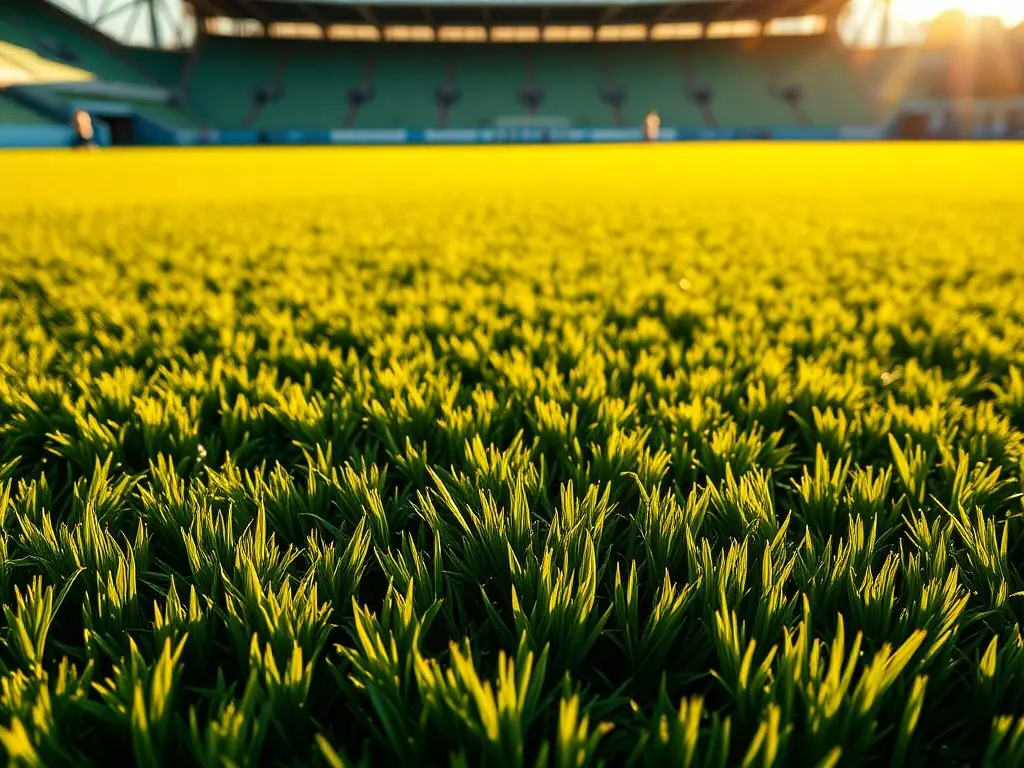
Scientists led by John Sorochan from the University of Tennessee have spent eight years perfecting grass pitches for the 2026 World Cup, testing 170 different turf mixes to ensure durability and playability across 16 stadiums in the US, Canada, and Mexico. The research aims to avoid past issues like the poor-quality grass in the 2024 Copa America, which reportedly affected player performance in Atlanta, Georgia.
The 2026 World Cup will feature grass pitches developed over eight years of research by scientists, including John Sorochan, a University of Tennessee professor contracted by FIFA. Sorochan and his team tested 170 turf mixes, measuring grass blade lengths and durability to create optimal playing surfaces for the tournament’s 16 stadiums, five of which are dome-covered. The research follows complaints from players in the 2024 Copa America, where poor grass quality in Atlanta, Georgia, allegedly hindered performance. Argentine players, including Ángel Di María, struggled with a temporary grass pitch described as a 'disaster,' with the ball reportedly bouncing unpredictably. Sorochan’s experiments involved stomping boots, bouncing balls, and nurturing grass under controlled conditions to find the ideal balance. The goal is to ensure pitches feel like 'velcro' or a 'pristine natural carpet,' with blade lengths precise to five millimeters for optimal playability. The team faced unique challenges with dome stadiums, where artificial lighting replaces sunlight, requiring adjustments to grass growth. With 104 matches and billions of fans watching, the success of the pitches will determine whether the 2026 World Cup avoids past turf-related controversies. FIFA and co-hosts the US, Canada, and Mexico aim to deliver flawless conditions, building on decades of turfgrass research. The experiments culminate in a high-stakes test for the scientists’ work as the tournament approaches.
This content was automatically generated and/or translated by AI. It may contain inaccuracies. Please refer to the original sources for verification.