World Rugby and Canal+ Group unite to bring the next two Rugby World Cups to fans across Africa
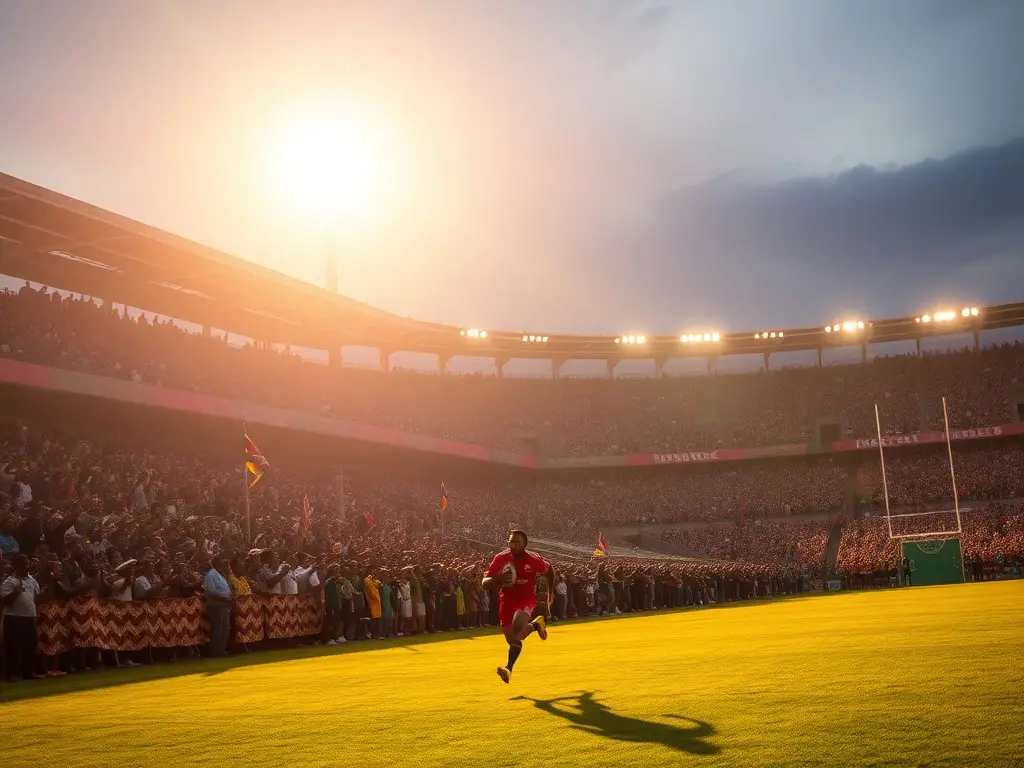
World Rugby and Canal+ Group announced a multi-year broadcast deal to bring the Men’s Rugby World Cup 2027 and Women’s Rugby World Cup 2029 live to Sub-Saharan Africa via SuperSport on DStv. The agreement aims to expand rugby’s reach in high-growth markets, with South Africa and Zimbabwe set to compete in the 2027 tournament, marking Zimbabwe’s return after 32 years.
World Rugby has finalized a major broadcast agreement with the Canal+ Group, ensuring live coverage of the Men’s Rugby World Cup 2027 and Women’s Rugby World Cup 2029 across Sub-Saharan Africa through SuperSport on DStv. The deal strengthens rugby’s global expansion, particularly in Africa, where fan engagement and participation are growing. The 2027 Men’s Rugby World Cup in Australia will feature 24 teams for the first time, including a round of 16 knockout stage, offering more opportunities for emerging nations. South Africa, the defending champions, will aim for a fifth title, while Zimbabwe returns to the tournament for the first time since 1991. The 2029 Women’s Rugby World Cup, also in Australia, follows the record-breaking 2025 edition, where South Africa became the first African team to reach the quarter-finals. The partnership extends to other key World Rugby competitions, including the expanded 16-team Junior World Championship and the Pacific Nations Cup, enhancing visibility for international pathways. World Rugby Chief Revenue Officer Michel Poussau emphasized the deal’s role in deepening Africa’s connection to rugby, inspiring future players and fans. Canal+ Africa CEO David Mignot highlighted the agreement’s significance for subscribers, ensuring access to premium rugby content from Africa and globally. The deal reflects rugby’s rising importance in Africa, driven by increased participation and audience demand. The 2027 tournament runs from October 1 to November 13, marking a historic expansion of the sport’s biggest event. Zimbabwe’s qualification underscores Africa’s growing competitiveness, while the women’s competition aims to build on past momentum with broader engagement.
This content was automatically generated and/or translated by AI. It may contain inaccuracies. Please refer to the original sources for verification.