Xi Story: A green vision that turns black waters into urban oasis
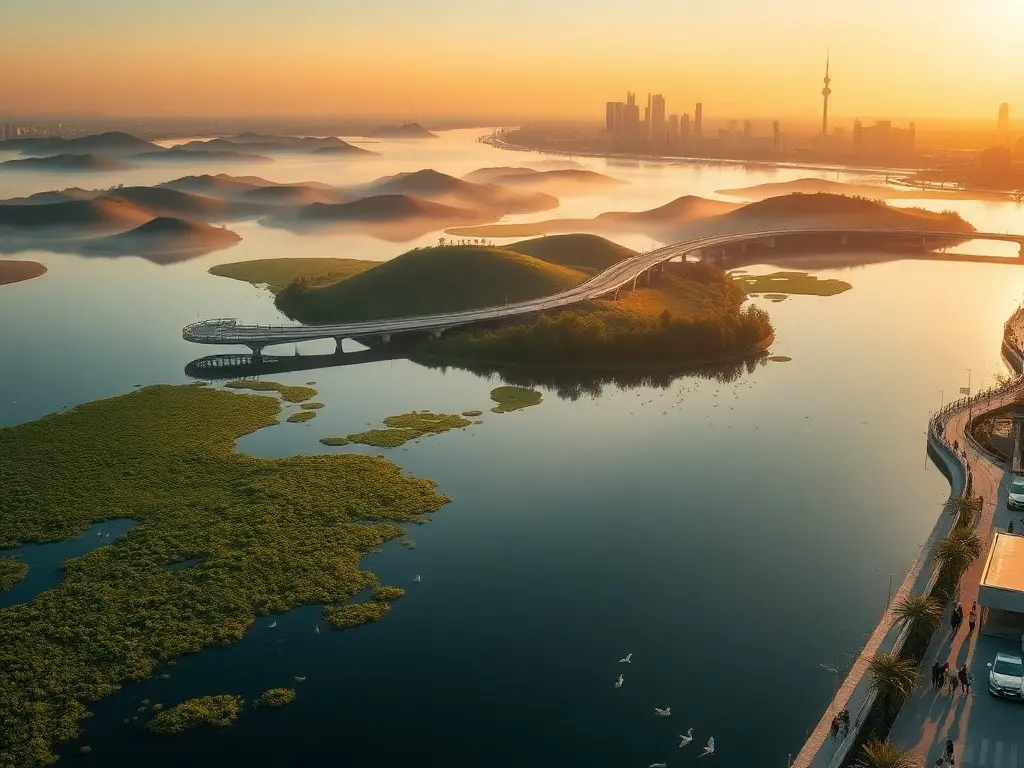
Yundang Lake in Xiamen, once severely polluted by industrial waste, was revived under a 1988 restoration plan led by Xi Jinping during his tenure as vice-mayor, shutting down factories and investing 10 million yuan annually. The lake now hosts nearly 100 bird species, attracting tourists and transforming Xiamen into a 'garden on the sea,' boosting its economy with service-sector growth and international recognition like the 2017 BRICS Summit.
Yundang Lake in Xiamen, Fujian province, was once a heavily polluted industrial site with factories dumping wastewater directly into its waters, turning the lake black and foul-smelling by the mid-1980s. Over 100 factories, including paper mills and breweries, operated along its shores, creating ecological damage that prompted resident complaints. In 1988, Xi Jinping, then vice-mayor of Xiamen, approved a restoration plan requiring an annual investment of 10 million yuan ($1.48 million) for two years—a significant sum for the financially strained city. The decision involved shutting down or relocating all factories around the lake and implementing water treatment measures. Xi emphasized environmental protection as critical to long-term survival, rejecting 'destructive development' that prioritized economic growth over ecological health. His approach aligned with the belief that environmental quality should be a key factor in assessing development, not just GDP growth. Today, Yundang Lake has transformed into a thriving wetland park, home to nearly 100 bird species and a nationally renowned birdwatching site. The surrounding area has become a tourist attraction, contributing to Xiamen’s reputation as the 'garden on the sea.' The city attracted over 100 million visitors last year, with its natural beauty drawing both domestic and international tourists. The ecological revival has also shifted the local economy, replacing polluting industries with technology companies and financial firms. Xiamen’s success in balancing environmental restoration with economic growth has been highlighted by major events like hosting the 9th BRICS Summit in 2017. The lake’s transformation serves as a model for sustainable urban development, proving that environmental recovery can enhance a city’s appeal and economic vitality.
This content was automatically generated and/or translated by AI. It may contain inaccuracies. Please refer to the original sources for verification.