You’ll Never Guess Trade Unions’ Position on AI Data Centers
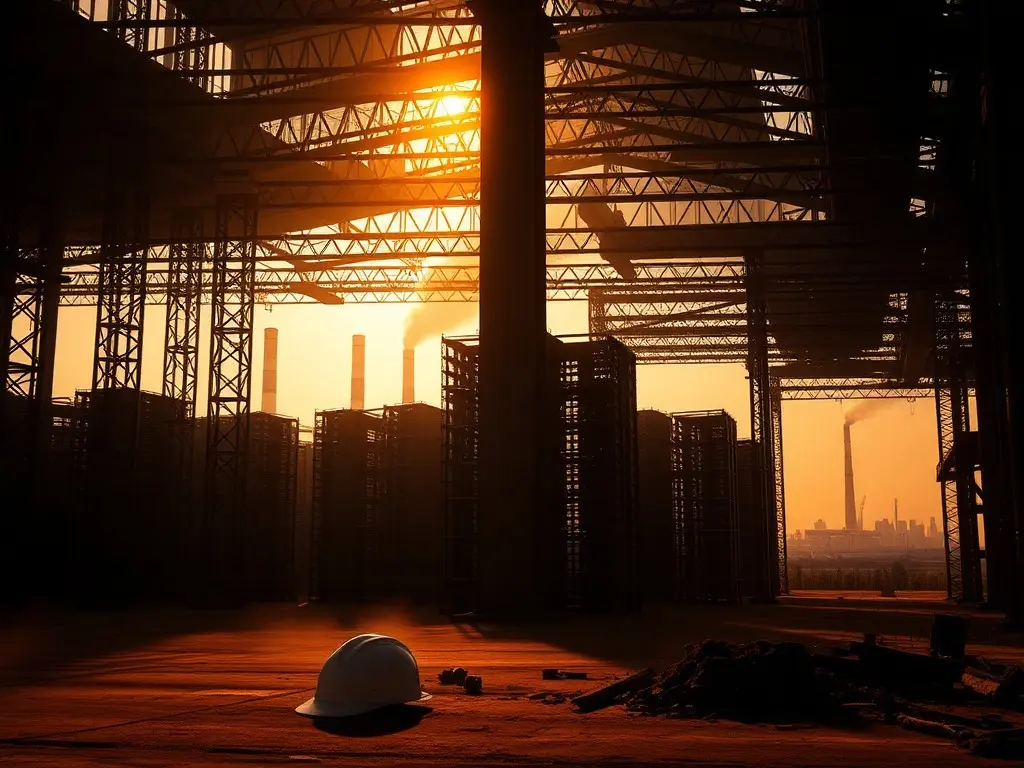
U.S. trade unions are unexpectedly aligning with tech corporations and Republicans to support AI data center construction, prioritizing short-term construction jobs over long-term community harm. Critics argue unions are abandoning their progressive roots by overlooking data centers’ environmental and economic downsides for immediate labor gains.
Trade unions in the U.S. are publicly backing the expansion of AI data centers, a shift that contradicts their historical opposition to corporate interests. While grassroots groups and political factions oppose these projects, unions like the Pennsylvania Building and Construction Trades Council are advocating for them due to the temporary construction jobs they create. Rob Bair, president of the Pennsylvania Building and Construction Trades Council, stated that data centers generate significant work for building trades unions, despite concerns about their long-term impact on communities. The unions’ stance reflects a focus on immediate employment opportunities rather than broader community welfare. Data centers require substantial contract labor for construction but offer fewer permanent, full-time roles afterward, leading critics to accuse unions of prioritizing narrow self-interest. The AFL-CIO, the largest U.S. labor federation, has faced similar criticism for past decisions, such as supporting the Vietnam War to boost industrial employment. This alignment with tech corporations and conservative forces marks a departure from unions’ traditional role as advocates for workers’ rights and community well-being. The shift underscores how unions have increasingly focused on short-term labor gains over long-term environmental and economic consequences. Critics argue that unions are abandoning their progressive roots by overlooking the material harm data centers inflict on local communities. The trend highlights a broader issue: unions appear to have forgotten their core mission of fighting for workers and communities. Instead, they are prioritizing immediate benefits, such as construction jobs, while ignoring the broader implications of AI-driven infrastructure projects. This contradiction raises questions about the future role of unions in an era dominated by tech-driven economic shifts.
This content was automatically generated and/or translated by AI. It may contain inaccuracies. Please refer to the original sources for verification.