Youth Day at 50: The new struggle is the fight for a future
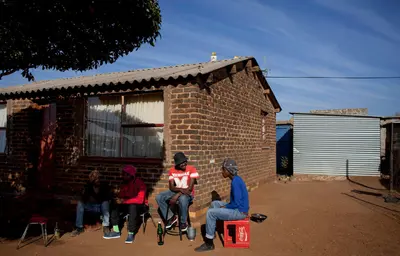
South Africa’s youth unemployment rate reached 60.9% for ages 15-24 and 40.6% for ages 25-34 in Q1 2026, surpassing levels at the end of apartheid, while systemic education barriers and AI-driven job market shifts deepen economic exclusion. The country’s education system faces high dropout rates, under-resourced schools, and a widening gap between qualifications and employable skills, leaving millions trapped in poverty despite historical gains in access to schooling.
South Africa’s youth unemployment crisis has worsened to levels exceeding those at the end of apartheid, with 60.9% of 15-24-year-olds and 40.6% of 25-34-year-olds unemployed in Q1 2026, according to national data. While the national unemployment rate stands at 32.7%, the figures highlight a generation struggling for economic participation, dignity, and independence. The fight for education in 1976 led to expanded school access, but today’s challenges include systemic dropout rates, financial barriers, and poor foundational education, with only 7.3% of adults aged 25-64 holding university degrees. The education system’s ‘leaking pipeline’ sees nearly 99% of children enrolled in basic schooling, yet high attrition rates and prolonged completion times reduce successful graduates to 4%-10% of original cohorts. Under-resourced schools, poverty, and grade repetition contribute to dropout, while financial pressures force many to leave education early to support unemployed families. Even those who graduate face a rapidly changing job market, where AI automation eliminates entry-level roles and raises skill requirements, leaving qualifications mismatched with employer demands. AI’s impact is accelerating the crisis by removing traditional career entry points, forcing young workers to meet higher expectations from day one. The mismatch between education and economic access means liberation through schooling remains incomplete without addressing unemployment and inequality. South Africa’s youth now confront a dual challenge: securing relevant education and navigating a labor market reshaped by technology, where dignity and economic participation feel increasingly out of reach.
This content was automatically generated and/or translated by AI. It may contain inaccuracies. Please refer to the original sources for verification.